
Millions of users across Pakistan rely on the X555 platform daily for a wide range of services, from digital communications to financial transactions and official documentation. Despite its popularity and user-friendly design, many people encounter frustrating Login and Account Recovery issues, forgotten passwords, or even locked accounts at the most inconvenient times. Whether you are trying to access your account on an Android phone in Lahore, a PC in Karachi, or a tablet in Islamabad, understanding the correct login procedures and recovery methods can save you hours of stress. This comprehensive guide is tailored specifically for users in Pakistan, addressing local nuances such as network issues, SIM-based OTP delivery, and common regional connectivity challenges. By the end of this article, you will have a complete toolbox to handle any X555 account access situation smoothly and securely, ensuring you never remain locked out for long.
How to Log In to X555 Account
Logging into your X555 account for the first time, or after a long gap, is generally a straightforward process, but details matter. Start by launching your preferred web browser on any device. In the address bar, type in the official X555 portal URL. It is crucial to double-check the spelling and ensure you are on the authentic domain, as phishing sites are rampant globally and increasingly so in Pakistan. Once the homepage loads, look for the prominent “Sign In” or “Login” button, usually located in the top right corner. Click on it to be redirected to the secure authentication page.
On the login form, you will typically see two primary fields: one for your username or registered email address and another for your password. Enter the details you used during the registration process. If you registered using your CNIC number, enter it exactly as provided. For a smoother experience, ensure your Caps Lock key is not engaged (unless your password contains uppercase letters, in which case ensure it corresponds correctly). After filling in the credentials, click the “Login” or “Submit” button. If your details are correct, you will be redirected to your personal dashboard.
Many users in Pakistan, however, encounter the additional step of Two-Factor Authentication (2FA). If you have enabled this for security, the system will prompt you to enter a verification code sent to your registered mobile number via SMS or to your authenticator app. Keep in mind that Pakistani mobile networks occasionally experience brief service interruptions, so if the SMS does not arrive instantly, wait sixty seconds and request a resend. Another common issue is slow internet connectivity; if the page takes too long to load or times out, refresh the page rather than repeatedly clicking the login button, as this can trigger temporary rate-limiting on your IP address. For those logging in from a new device, the system may ask you to verify your identity via a security question or a backup code, which adds a layer of protection and prevents unauthorized access.
Logging in to X555 on a laptop.
X555 Password Recovery – Step-by-Step
Forgetting your password is a universal experience, and the team behind X555 has implemented a robust recovery system that works efficiently within Pakistan. To initiate the process, navigate to the Login and Account Recovery page and click on the “Forgot Password” or “Trouble Logging In?” link. This will open a new window asking you to provide the email address, phone number, or CNIC linked to your account. Enter the information carefully and click “Continue.”
The next step is verification. In most cases, X555 sends a six-digit verification code to your registered alternative email address or via SMS to your mobile number. In Pakistan, SMS delivery is usually almost instantaneous, but if you have signed up with a mobile number that is no longer active, you will need to rely on the email option or use your recovery codes if you saved them earlier. Once you receive the code, enter it into the designated field. If you do not receive the code, check your spam or promotions folder in your email client, as automated emails sometimes get filtered. For SMS, ensure you have sufficient network signal strength; try moving to an open area or switching from 4G to 3G if the network is congested, especially during peak hours like 8 PM to 11 PM PST, when data usage is at its peak in major cities.
After successful code verification, you will be prompted to create a new, strong password. Choose a combination of uppercase and lowercase letters, numbers, and special characters. Avoid using readily identifiable information such as your name, birthdate, or the word “Pakistan” with the number 123. Once you confirm the new password, the system will log you in automatically and may send a confirmation SMS/email. It is wise to note the new password in a secure password manager. If you encounter an error stating that your recovery method is invalid, it might be because the account has not had a recovery method updated in over a year. In this case, you will likely need to contact X555 customer support via the official WhatsApp business line or their helpline, which is often operational Sunday through Thursday, keeping in mind that Friday is a half-day in Pakistan, and weekends are Saturday-Sunday.
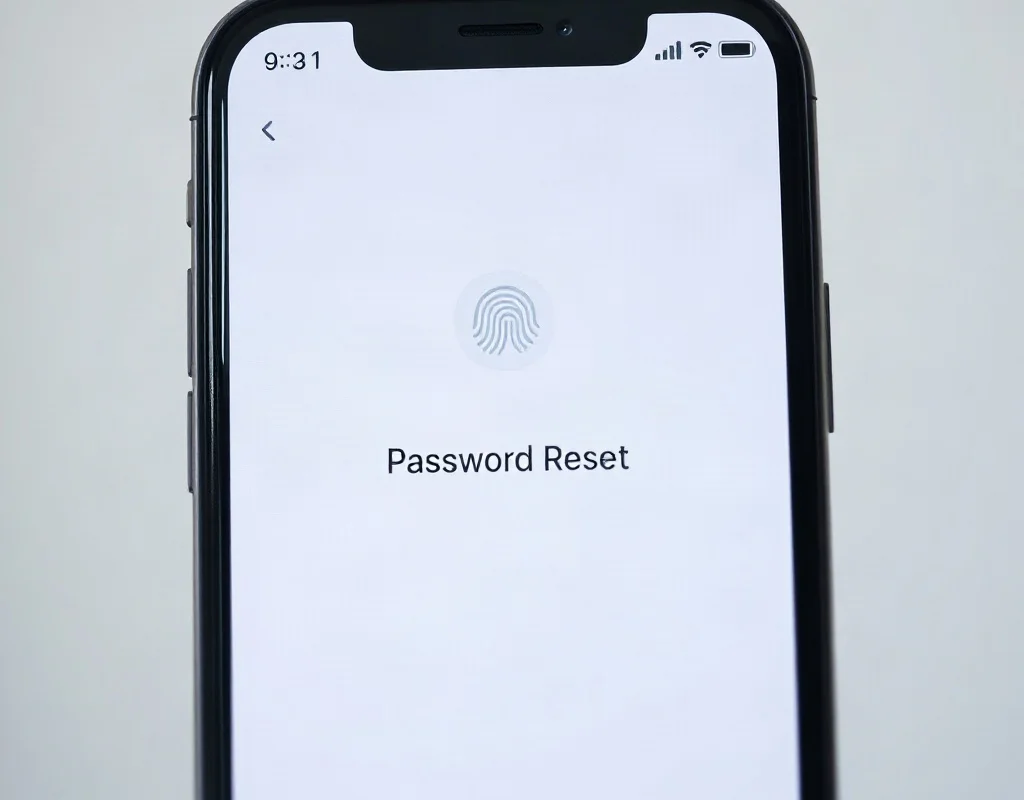
Use the Forgot Password option to reset your X555 password.
What to Do If Your X555 Account Is Locked or Hacked
A locked or compromised account is a serious matter, and acting swiftly is crucial, especially in a digitally connected environment like Pakistan where data is highly valuable. An account usually becomes locked after multiple unsuccessful Login and Account Recovery attempts or when the system detects suspicious activity, such as a login from an unfamiliar location or a VPN server. If you find yourself locked out, your immediate reaction should be to restore access via the official recovery flow. On the login page, click “Forgot Password” and follow the steps outlined in the previous section. Upon resetting your password, the lock mechanism is typically lifted automatically.
When you suspect your account has been hacked, the situation requires deeper action. Signs of hacking include seeing sent messages you did not write, changes to your profile information, or missing funds if the platform is used for payments. First, attempt to log in using your current password. If it works, immediately change your password and log out of all sessions. Look for a setting called “Active Sessions” or “Security Log” and revoke access for any unknown devices, especially those showing foreign locations like China or Russia which are common sources of suspicious Login and Account Recovery. If the attacker changed your password first, use the “Forgot Password” link and choose the “Account Recovery” option. The system might ask you to verify your identity thoroughly by providing details such as the last four digits of your registered payment card or answering security questions.
>>>> Read: Payment Guides
In severe cases where you cannot regain access, you must contact X555 support directly. Do not rely solely on the in-app chat; call their official Pakistani helpline or use the verified email address from their website, being wary of fake help numbers that circulate on social media. When you contact support, be prepared to provide your CNIC number, account creation date, recent transaction IDs, and any other verification documents. The support team will manually verify you and can restore access, usually within 24 to 72 business hours. In the meantime, monitor your linked email and SIM for phishing attempts, and consider placing a freeze on any linked bank account if you suspect financial credentials were compromised.
If your account is locked, follow the recovery steps.
Tips to Keep Your X555 Account Secure
Securing your X555 account requires proactive habits that go beyond just setting a strong password, and this is particularly important given the rising cybersecurity threats in Pakistan. The golden rule is to use a unique password for X555 that you do not use on any other platform. Remember, if one website gets breached and you reuse passwords, attackers will try those same credentials on X555. Consider using a reputable password manager to generate and store complex passwords; this eliminates the burden of remembering everything.
Enabling Two-Factor Authentication (2FA) is your second strongest line of defense. While SMS-based OTPs are common in Pakistan, they are susceptible to SIM swapping, where a hacker convinces your mobile carrier to issue a new SIM for your number. To mitigate this, use an authenticator app like Google Authenticator or Authy instead, as these are stored locally on your device and are far more difficult to intercept. Additionally, ensure your mobile number is properly verified and avoid sharing it widely on public forums.
Always be vigilant against phishing attempts, which often come in the form of WhatsApp messages or SMS texts claiming you have won a prize or that your X555 account needs urgent verification. These messages usually contain a malicious link that mimics the Login and Account Recovery page. Before entering your credentials, always double-check the URL in the address bar; if it does not start with the exact official domain, do not proceed. While using public Wi-Fi in cafés, universities, or co-working spaces in cities like Rawalpindi or Faisalabad, avoid logging into your account unless you are using a reliable VPN. Public networks are notorious for traffic sniffing, where cybercriminals can capture unencrypted data. Finally, periodically review your account’s security settings, log out of devices you no longer use, and set up an alternate recovery email to ensure you always have a lifeline to regain access if your primary line is lost.

Keep your X555 account secure with strong passwords and 2FA.
Using X555 on Mobile vs PC: Login and Account Recovery
The user experience and Login and Account Recovery process can differ subtly between mobile devices and desktop PCs, and knowing these differences can prevent confusion for Pakistani users. On a PC, you log in through a web browser, which allows for easy access via saved bookmarks and password managers. The full-screen view shows the classic login interface with a spacious layout. One advantage of the PC is that copying and pasting long passwords is easier, and you can review the URL carefully for security. Additionally, on a PC, when you log in, the system often asks whether you are on a private or public computer; if you select “public,” the system will not remember your credentials and will log you out automatically, a great security feature for cyber cafés found in smaller cities.
On a mobile device, you have two primary options: the dedicated X555 mobile application (available on the Google Play Store and Apple App Store) or the mobile web browser. The dedicated app generally offers a faster and more streamlined experience, incorporating fingerprint or facial recognition for quick login, a feature that is heavily used in Pakistan due to convenience. When logging into the mobile app for the first time, you will need to complete the same credential entry, but the smaller keyboard can increase typo errors, so pay close attention. Mobile browsers may redirect you to a simplified Login and Account Recovery page, and some browsers in Pakistan have aggressive pop-up blockers that might interfere with the 2FA code entry pop-up; if this happens, check if the code appeared as a notification instead.
Another significant difference lies in background session management. On PC, the session might remain active for hours, whereas mobile apps may log you out frequently due to low memory or when you force-stop the app. Furthermore, mobile data networks (such as Jazz, Zong, Telenor, or Ufone) can fluctuate, leading to half-loaded pages. If you face an error on mobile that asks you to enable “Third-Party Cookies,” you may need to adjust your browser settings. Conversely, some corporate or institutional PCs in Pakistan are equipped with firewalls that block gaming or communication ports, which can inadvertently block X555’s authentication servers. In such cases, attempting to log in via a different network will solve the issue. Ultimately, whether you choose mobile or PC, ensure you have the latest software version installed to benefit from the most current security patches and seamless Login and Account Recovery functionality.
